Search Experience Redesign — Improving Search Relevance and Discovery

Search is a key entry point in the platform experience. As the volume of content grew and user expectations evolved, the existing search experience was no longer always effective at helping users quickly find the right information. The goal of this project was to rethink the search experience by improving result relevance, making navigation smoother, and reducing the effort required to access the right content.

Context & Problem Users were facing several challenges during their search journey: results were sometimes irrelevant, there was limited visibility into why certain results appeared, refining a query was difficult, and finding the right information often required multiple attempts. These friction points created frustration and increased the number of actions needed to complete their task.
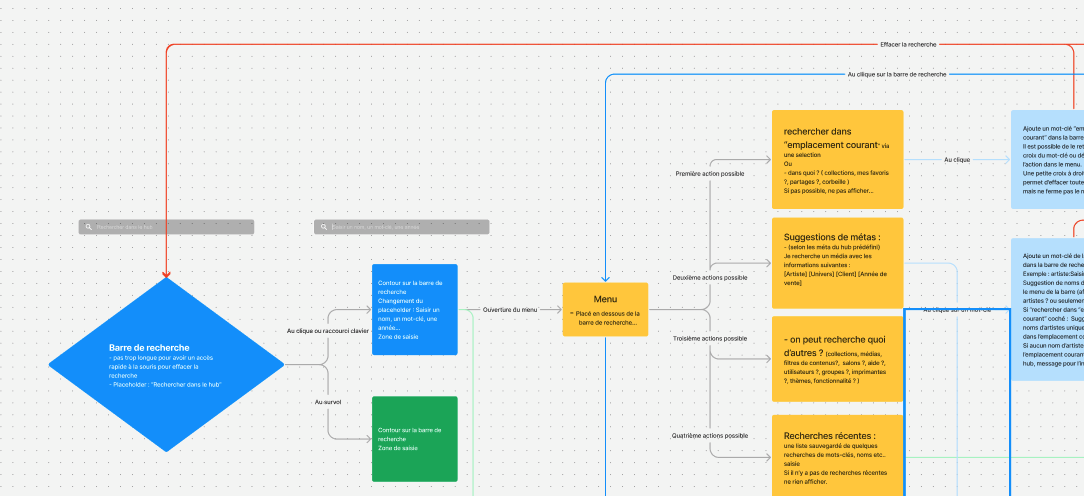
Search Experience Redesign — Improving Search Relevance and Discovery

Search is a key entry point in the platform experience. As the volume of content grew and user expectations evolved, the existing search experience was no longer always effective at helping users quickly find the right information. The goal of this project was to rethink the search experience by improving result relevance, making navigation smoother, and reducing the effort required to access the right content.

Context & Problem Users were facing several challenges during their search journey: results were sometimes irrelevant, there was limited visibility into why certain results appeared, refining a query was difficult, and finding the right information often required multiple attempts. These friction points created frustration and increased the number of actions needed to complete their task.
Client

Ubstream (digital product publishing, SaaS)

Type

Migration

Objective

The goal was to redesign the search experience so users could find relevant information faster, better understand search results, and navigate more naturally through filters and interactions aligned with their needs.

The ambition was to move from a simple keyword-based search experience to a smarter, more intuitive journey — helping users throughout their discovery process.

 
My Role

I contributed to the full UX process, from understanding the problem to designing and validating solutions.

The project started with an analysis of the existing experience to identify user pain points and friction areas. Based on these insights, I defined improvement hypotheses, explored product opportunities, and designed new search journeys.

I created wireframes and interactive prototypes in Figma to explore and communicate different solutions.

I worked closely with Product and Development teams to ensure that proposed solutions aligned with technical constraints and business goals. I also conducted user testing sessions, gathered feedback, and iterated on concepts throughout the design process.


User Needs Exploration

To better understand users’ challenges, we analyzed the search journey to identify behaviors, expectations, and friction points when accessing information.

The goal was to understand:

• what users were actually looking for and in which contexts,
• the intent behind their search queries,
• why some results felt irrelevant,
• what actions users took when their search was unsuccessful.


Key user needs identified:

Quickly access precise information
Reduce the time needed to find relevant content and avoid repeated searches.

Understand why results appear
Make search logic clearer by improving result hierarchy, presentation, and context.

Refine searches progressively
Enable users to narrow down their intent through relevant filters and criteria.

Efficiently explore large volumes of content
Facilitate navigation and comparison between multiple results.

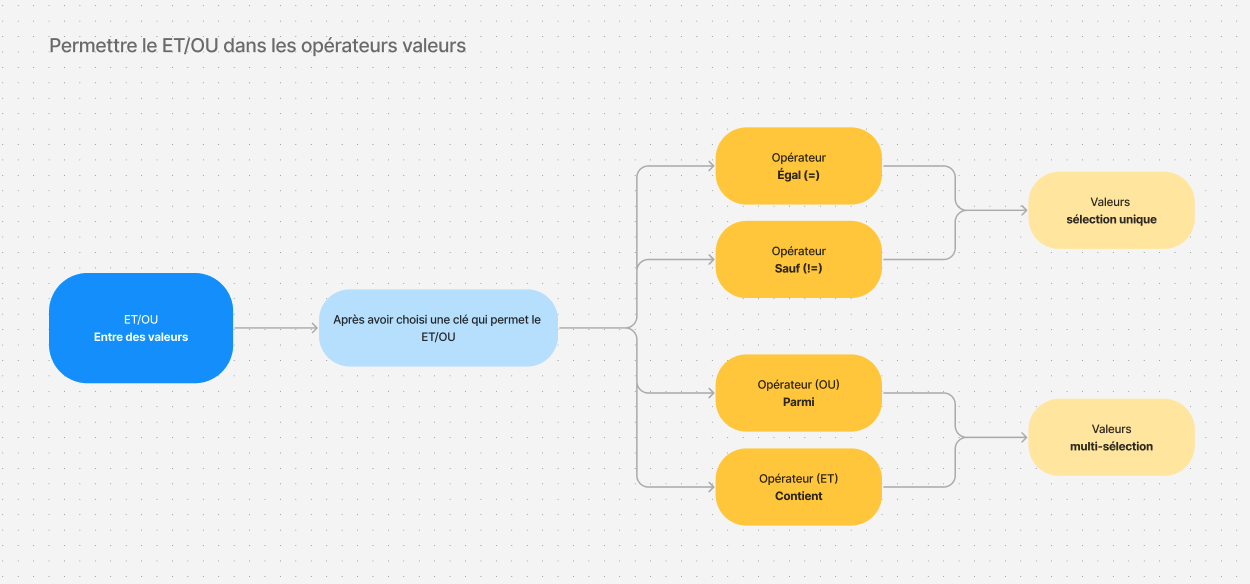
Focus of diagram (link FigJam)
Permettre les valeurs binaires

Product Opportunities


Based on the identified pain points, we transformed user frustrations into product opportunities:

• Improve search relevance by rethinking how information is structured and how user intent is interpreted.
• Help users make better decisions by providing more context around each result: category, key information, and associated criteria.
• Create a more intuitive filtering experience by focusing on the criteria that matter most to users.
• Reduce the number of steps required to reach the desired information by simplifying the search journey.
• Encourage content discovery by creating an experience that supports exploration, not only exact searches.

These opportunities helped define clear improvement areas and prioritize UX solutions to explore and validate.

Design & Experimentation


Based on collected insights, we explored several solutions to address identified needs:

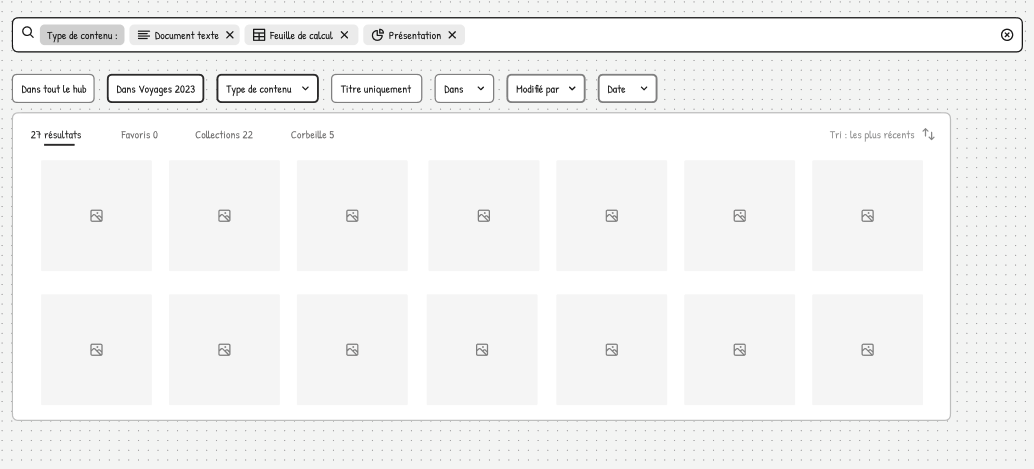
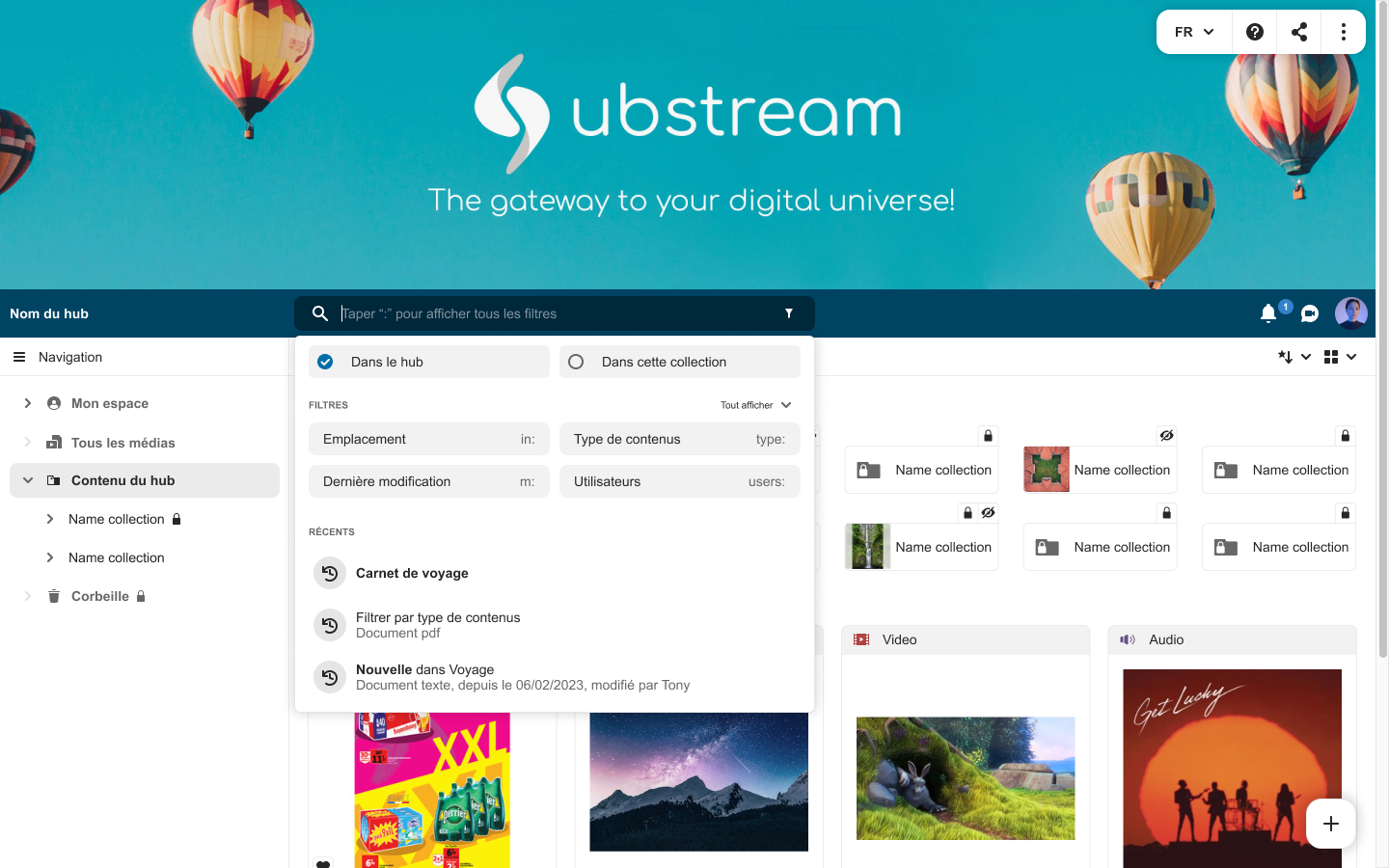
• Redesigning the complete search journey, from query input to result selection.
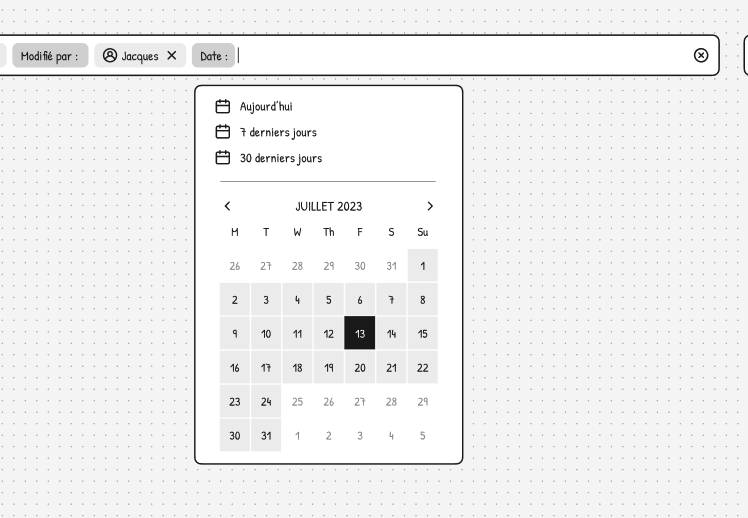
• Exploring different UX approaches: improved filtering, search suggestions, result categorization, and clearer information hierarchy.
• Creating wireframes to validate the main experience directions.
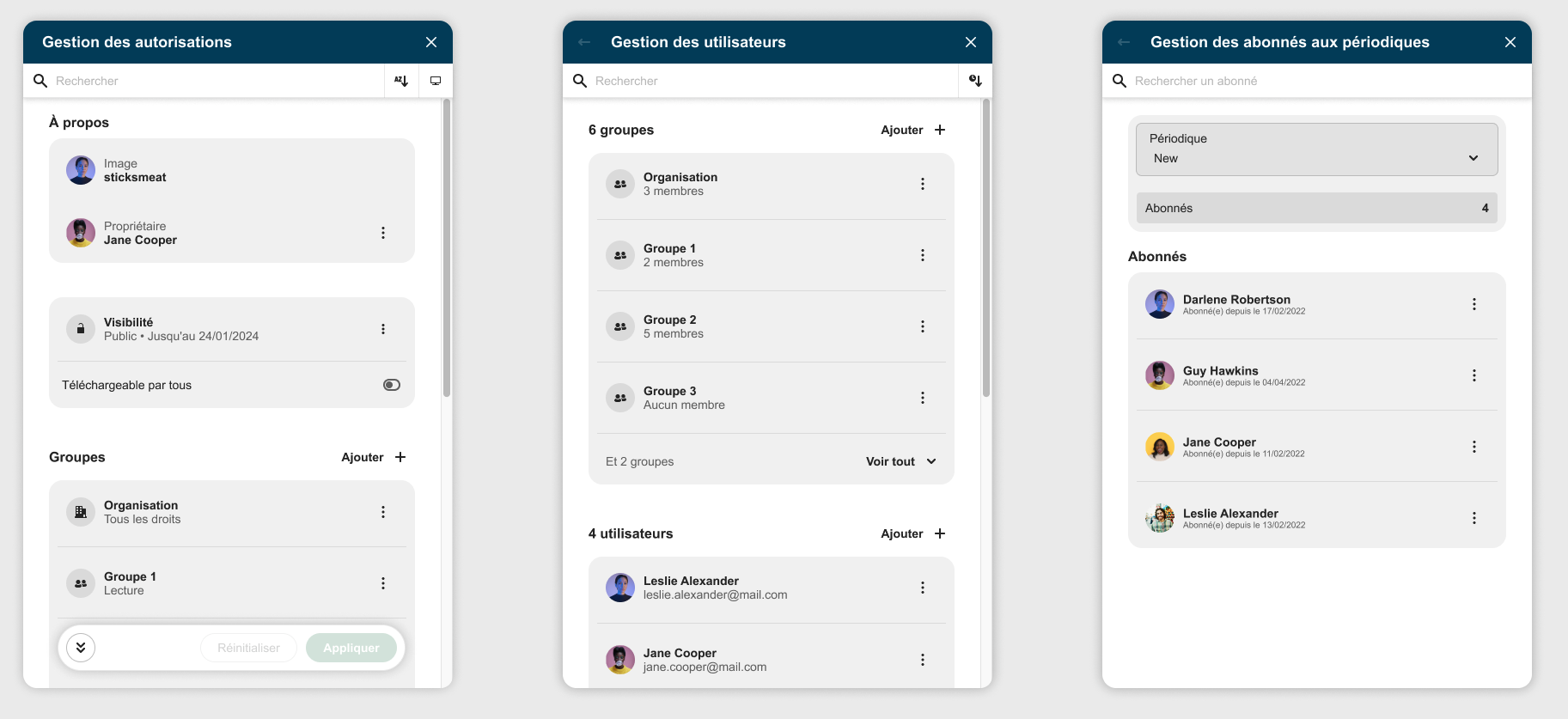
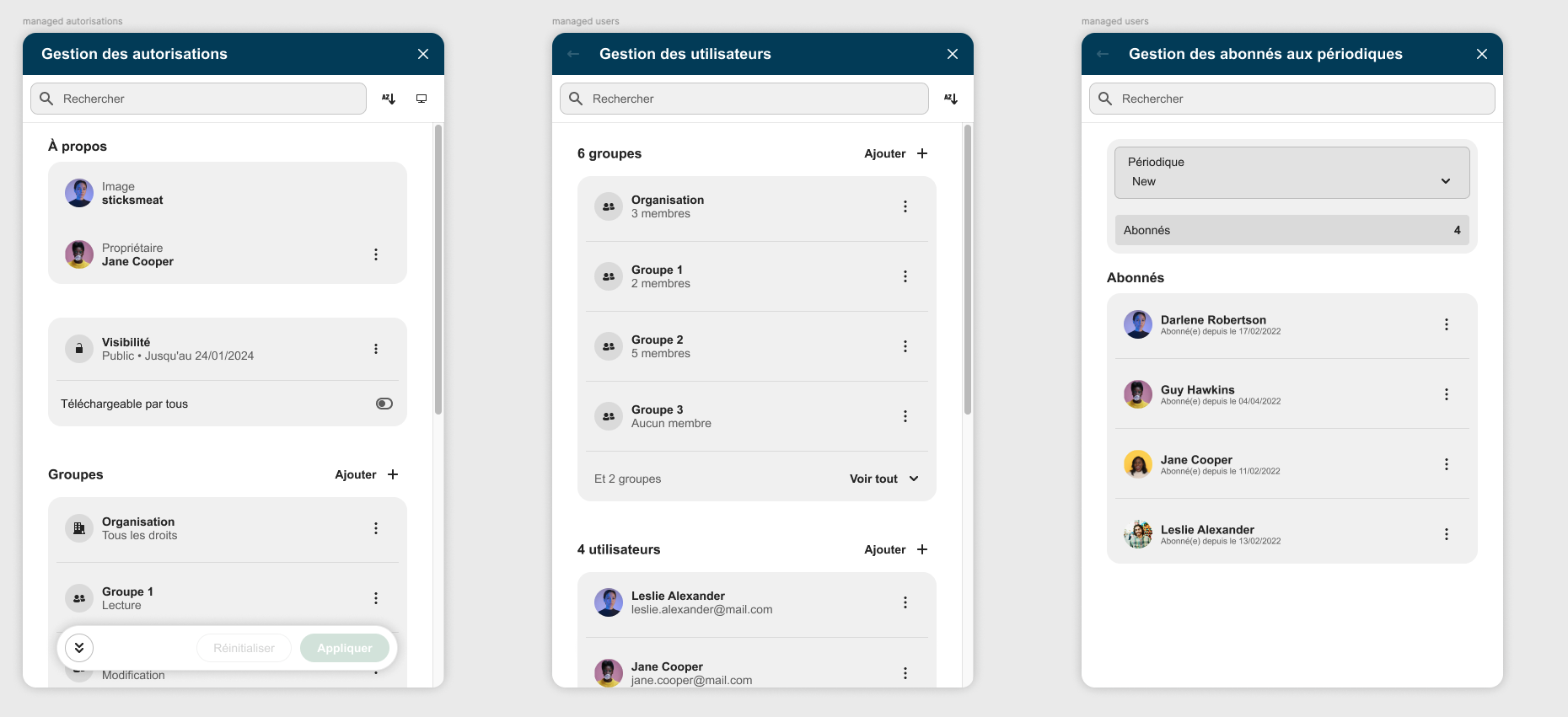
• Designing high-fidelity interactive prototypes in Figma to simulate new interactions.
• Conducting user tests to understand how users interacted with the new experience, identify friction points, and refine the solutions.

The goal was to build a search experience that feels more natural, faster, and better aligned with real user behaviors.

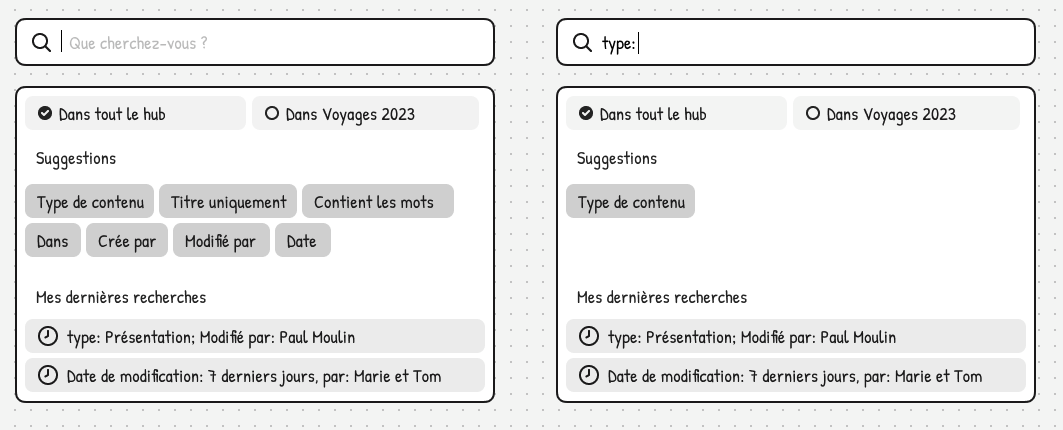
Search modal - Before
Search modal - After
Final desktop experience
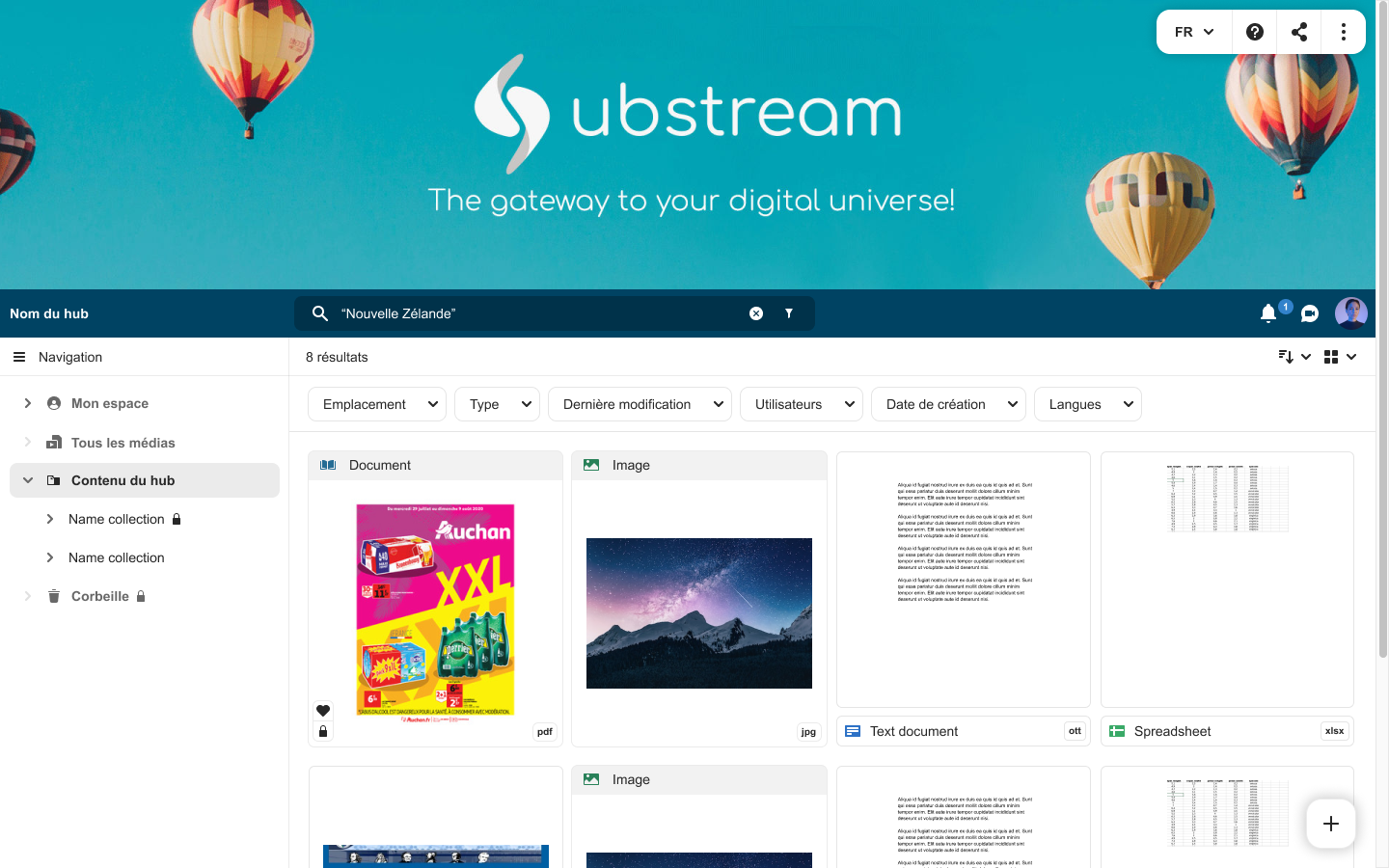
Desktop search results
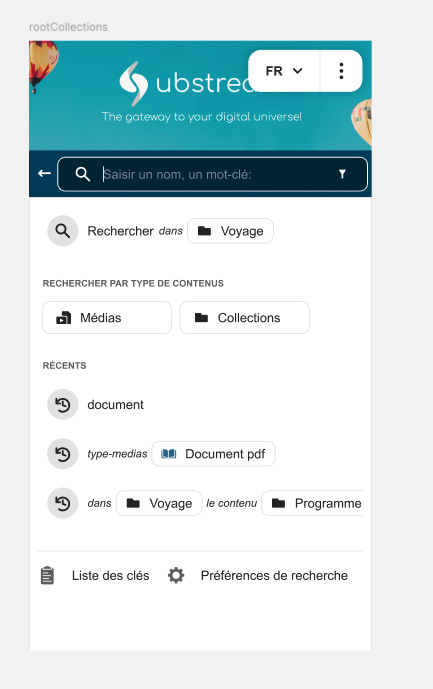
Mobile experience

Results & Impact


The redesign aimed to make search results clearer and easier to explore, with filtering options better aligned with user needs.

The objective was to reduce the effort required to find information and create a smoother, more efficient search journey.

Through a more structured, user-centered design approach, the project helped guide product improvements with decisions better aligned between users, Design, and Product teams.